
How to Clean a Silver Necklace: Complete Guide to Restoring Brilliance and Removing Tarnish
- Home Design and Style
- Dec 1, 2025
- 10 min read

Updated: Dec 14, 2025
Silver necklaces are elegant statement pieces that enhance any outfit, from delicate chains to bold pendants. However, silver's natural tendency to tarnish can leave your beautiful necklace looking dull and discolored. This comprehensive guide will show you exactly how to clean a silver necklace safely and effectively, restore its original brilliance, and maintain its stunning appearance for years to come.
Why Silver Necklaces Tarnish and Require Special Care
Silver necklaces face unique challenges that can accelerate tarnishing and require specialized cleaning approaches:
Neck contact: Your neck produces oils, sweat, and natural acids that constantly react with silver
Hair product exposure: Shampoos, conditioners, hair sprays, and styling products contain chemicals that tarnish silver
Perfume and cologne: Fragrances applied to the neck area contain alcohol and compounds that accelerate tarnish
Chain complexity: Multiple interlocking links create countless crevices where tarnish and dirt accumulate
Pendant weight: Heavy pendants create stress points and friction that can trap debris
Length and draping: Longer necklaces rub against clothing throughout the day, attracting lint and particles
Understanding these factors helps you choose the most effective cleaning method and develop better prevention habits to keep your silver necklace sparkling.
The Professional Solution: Universal Jewelry Cleaner for Silver Necklaces
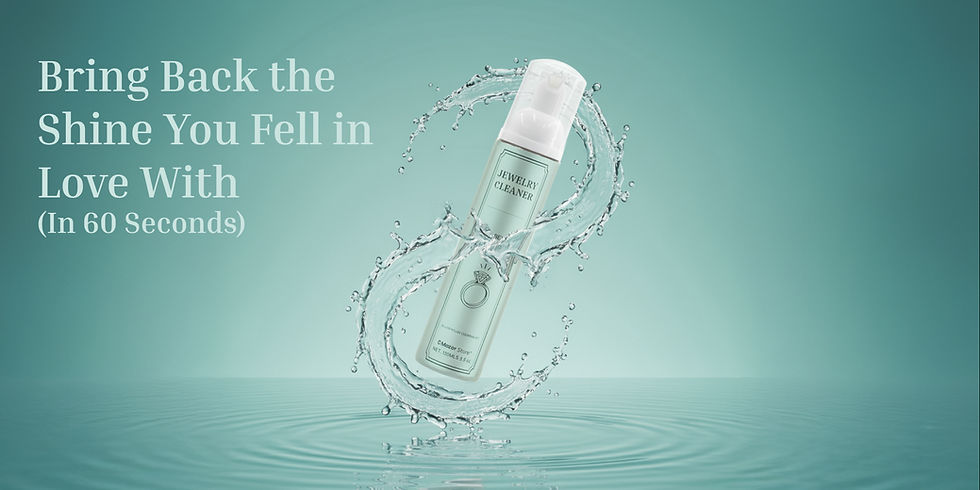
The most effective and safest way to clean a silver necklace is using a professional-grade jewelry cleaning solution. Mazor Store's universal formula is specifically designed to handle the unique challenges of necklace cleaning while being safe for silver, gold, and platinum jewelry.
Why professional cleaners are ideal for necklaces:
Liquid formula flows through chain links and around pendants effortlessly
Reaches tarnish in tight spaces without manual labor
Safe for delicate chains that can break with aggressive scrubbing
Works on pendants with gemstones, engravings, or mixed metals
Cleans clasps and jump rings without disassembly
One solution for silver, gold, and platinum necklaces
How to clean your silver necklace with Mazor Store Universal Jewelry Cleaner:
Pre-cleaning inspection: Check for loose clasps, weak links, or damaged connections before cleaning
Untangle completely: Ensure your necklace is fully untangled for thorough cleaning
Prepare solution: Pour Mazor Store cleaner into the provided cleaning container
Submerge entirely: Place your complete necklace in solution, ensuring all parts are covered (5-10 seconds)
Gentle brushing: Use the included soft-bristled brush to clean chain links, pendant details, and around settings
Focus on problem areas: Pay special attention to the clasp, jump rings, and areas around the pendant
Thorough rinsing: Hold under lukewarm running water, working through chain links to remove all solution
Complete drying: Pat gently with a soft, lint-free cloth, then lay flat to air dry for 30 minutes
Final polish: Buff the chain and pendant with a polishing cloth for maximum brilliance
Our professional formula works in minutes, penetrating every link and crevice to deliver results that rival professional jeweler cleaning—all from the comfort of your home.
DIY Method 1: Baking Soda Paste for Silver Necklaces
For those who prefer DIY solutions, baking soda can remove light to moderate tarnish from silver necklaces.
Steps:
Mix 3 parts baking soda with 1 part water to create a paste consistency
Lay your necklace flat on a soft cloth or towel
Apply paste to the entire necklace using a soft cloth or fingers
Gently rub the paste along the chain, working through each section
Use a soft-bristled toothbrush to work paste into chain links and pendant details
Rinse thoroughly under lukewarm water, ensuring all paste residue is removed
Pat dry with a soft cloth and lay flat to air dry completely
Limitations for necklaces:
Extremely time-consuming for long chains with many links
Requires significant manual effort to reach all areas
Risk of tangling or kinking delicate chains during scrubbing
Abrasive nature can create micro-scratches with frequent use
Difficult to clean intricate pendant details without damage
Only works on silver, not versatile for your other precious metal necklaces
May not effectively clean inside hollow chain links
DIY Method 2: Aluminum Foil Chemical Reaction
This electrochemical method transfers tarnish from silver to aluminum without physical scrubbing.
Steps:
Line a large bowl or baking dish with aluminum foil, shiny side up
Lay your silver necklace flat on the foil, spreading it out completely
Ensure all tarnished areas touch the aluminum foil
Sprinkle 2-3 tablespoons of baking soda over the necklace
Carefully pour boiling water over the necklace until completely submerged
Let sit for 3-5 minutes, watching the tarnish transfer to the foil
Use tongs to carefully remove the necklace (it will be hot)
Rinse thoroughly under cool water
Dry completely with a soft cloth
Limitations for necklaces:
Only removes tarnish, not dirt or oil buildup
Cannot be used on silver-plated necklaces (removes plating)
Boiling water can damage delicate chains or loosen pendant settings
Not safe for necklaces with pearls, opals, or heat-sensitive gemstones
May not reach tarnish in tightly woven or hollow chains
Requires careful handling of hot water and jewelry
Only effective on pure silver, not mixed-metal necklaces
DIY Method 3: Mild Soap and Water for Regular Maintenance
For routine cleaning and maintenance between deep cleanings, warm soapy water provides gentle care.
Steps:
Fill a bowl with warm (not hot) water
Add 2-3 drops of mild, phosphate-free dish soap
Submerge your silver necklace and let soak for 10-15 minutes
Gently agitate the water to help loosen dirt and oils
Use a soft-bristled toothbrush to clean chain links and pendant
Pay attention to the clasp and any decorative elements
Rinse thoroughly under lukewarm running water
Pat dry with a soft cloth and lay flat to air dry
Limitations for necklaces:
Only removes surface dirt, oils, and light residue—not tarnish
Requires very frequent repetition to maintain shine
Ineffective on existing tarnish buildup
Time-consuming for minimal results
Doesn't address the root cause of dullness
Still requires professional or chemical cleaning for tarnish removal
Special Considerations for Different Silver Necklace Styles
Chain Necklaces
Simple chain necklaces without pendants come in various styles, each with specific cleaning needs.
Cable chains: Standard interlocking oval links
Easiest to clean
Professional cleaners flow through links easily
Moderate tarnish buildup in links
Box chains: Square links create a smooth, sleek appearance
Tarnish can hide inside square links
Requires solution that penetrates hollow spaces
Avoid excessive bending during cleaning
Rope chains: Multiple links twisted together for texture
Most challenging to clean manually
Professional liquid cleaners essential for reaching all surfaces
High surface area means more visible tarnish
Snake chains: Tightly woven links create smooth, flexible chains
Extremely difficult to clean manually between links
Professional cleaners are the only effective option
Tarnish hides between tightly packed plates
Figaro chains: Alternating pattern of short and long links
Moderate cleaning difficulty
Professional cleaners reach all link variations
Pattern creates visual interest but collects debris
Pendant Necklaces
Necklaces with pendants combine chain cleaning with pendant care.
Cleaning considerations:
Clean the chain and pendant separately when possible
Check if pendant can be removed from chain for easier cleaning
Different materials in pendants may require specific care
Weight of pendant can stress jump rings—inspect connections
Engravings and details on pendants trap tarnish
Best approach: Use professional cleaner that's safe for both silver chain and pendant materials. Brush pendant details gently while avoiding gemstones that may be sensitive.
Locket Necklaces
Lockets are hollow pendants that open to hold photos or mementos.
Special concerns:
Interior can tarnish and trap moisture
Hinge mechanisms need gentle cleaning to maintain function
Photos or papers inside must be removed before cleaning
Seals around edges can degrade if not dried properly
Best approach: Remove contents, clean with professional solution, brush hinge gently, rinse thoroughly, and ensure complete drying before reinserting contents.
Statement Necklaces
Bold, decorative necklaces with multiple components, textures, or mixed materials.
Cleaning challenges:
May combine silver with other metals, stones, or materials
Complex designs have numerous crevices and surfaces
Some decorative elements may not be silver
Oxidized details may be intentional design elements
Best approach: Professional cleaner safe for mixed materials. Avoid over-cleaning intentionally darkened areas. Test on a small area first if unsure about materials.
Choker Necklaces
Short necklaces that sit close to the neck.
Unique considerations:
Maximum exposure to neck oils, sweat, and perfumes
Require more frequent cleaning than longer necklaces
Tight fit means constant skin contact
Often more delicate due to shorter length
Best approach: Clean after each wearing with professional solution for quick maintenance. The constant exposure requires more attention than longer necklaces.
Multi-Strand Necklaces
Necklaces with multiple chains or strands.
Cleaning complexity:
Each strand needs individual attention
Strands can tangle during cleaning
Connection points collect debris
Multiple clasps or single complex clasp
Best approach: Keep strands separated during cleaning. Soak in professional cleaner, then carefully brush each strand individually to prevent tangling.
How to Prevent Silver Necklace Tarnish
Prevention strategies can dramatically reduce how often you need to deep clean your silver necklace:
Daily wearing habits:
Put on necklaces AFTER applying makeup, perfume, lotion, and hair products
Remove necklaces before showering, swimming, or exercising
Take off necklaces before sleeping to reduce exposure to body oils
Wipe down with a soft cloth after each wearing to remove oils and residue
Remove immediately if you'll be near harsh chemicals or cleaning products
Proper storage techniques:
Store necklaces in anti-tarnish bags or pouches immediately after wearing
Keep in a lined jewelry box in a cool, dry location
Never store in bathrooms where humidity is high
Hang necklaces individually or lay flat to prevent tangling
Use anti-tarnish strips in your jewelry storage area
Keep necklaces separated to prevent scratching
Store away from rubber, which accelerates tarnishing
Consider a jewelry organizer with individual compartments
Environmental protection:
Keep silver necklaces away from direct sunlight and heat
Avoid exposure to household chemicals, especially those containing sulfur
Don't wear in hot tubs, saunas, or chlorinated pools
Keep away from foods high in sulfur (eggs, onions, garlic)
Remove before cooking or food preparation
Protect from hairspray by applying before putting on necklace
How Often Should You Clean Your Silver Necklace?
Cleaning frequency depends on how often you wear your necklace and your exposure to tarnish-causing factors:
Daily wearers:
Quick wipe with soft cloth after each wearing
Professional cleaning every 2-3 weeks
Deep cleaning monthly or when tarnish appears
Inspect clasp and links weekly for damage
Regular wearers (2-3 times per week):
Wipe down after each wearing
Clean before wearing if any tarnish is visible
Professional-grade cleaning every 3-4 weeks
Thorough inspection monthly
Occasional wearers:
Clean before wearing after storage
Professional cleaning every 2-3 months
Always clean before long-term storage
Inspect for damage when retrieving from storage
Special occasion necklaces:
Clean immediately before wearing
Clean immediately after wearing before storage
Inspect every few months while in storage
Professional cleaning when retrieved after long storage
With Mazor Store's universal cleaner, maintaining your necklace takes just minutes and prevents the heavy tarnish buildup that requires intensive restoration work.
Cleaning Silver Necklaces with Gemstones and Pearls
Many silver necklaces feature gemstone pendants or pearl accents that require special care during cleaning.
Safe for most professional cleaners:
Diamonds (very hard and durable)
Sapphires (hard and stable)
Rubies (hard and stable)
Cubic zirconia (synthetic but durable)
Most hard, non-porous gemstones rated 7+ on Mohs scale
Require gentle, brief cleaning:
Pearls (clean quickly, minimal soaking, dry immediately)
Opals (porous, limit water exposure)
Turquoise (very porous, absorbs water and chemicals)
Emeralds (often treated with oils that cleaning can remove)
Amber (soft and can be damaged by chemicals)
Coral (very delicate and porous)
Lapis lazuli (porous and sensitive to water)
Cleaning approach for sensitive stones:
Use professional cleaner with minimal soaking time (30 seconds or less)
Avoid brushing directly on sensitive stones
Clean only the silver portions
Rinse quickly and dry immediately
For very delicate stones, use only a damp cloth on silver areas
Always verify: Check Mazor Store's compatibility guide for specific gemstones, or consult a jeweler if you're unsure about your pendant stones.
Why Professional Cleaners Excel for Necklace Cleaning
Silver necklaces present unique cleaning challenges where professional solutions significantly outperform DIY methods:
DIY limitations for necklaces:
Manual scrubbing is exhausting for long chains with hundreds of links
Nearly impossible to reach tarnish inside hollow or tightly woven chains
Risk of tangling, kinking, or breaking delicate chains
Different methods needed for different necklace styles
Time-consuming process that still produces mediocre results
Clasps difficult to clean without compromising function
Multiple products needed for different materials in one necklace
Professional solution advantages:
Liquid formula effortlessly penetrates every link, no matter how tight
Fast results (2 minutes vs. 30-60 minutes of manual work)
Safe for all chain types, from delicate to heavy
One formula works on silver, gold, and platinum necklaces
Gentle on clasps and mechanisms while cleaning thoroughly
Safe for most gemstone pendants
Consistent, brilliant results without physical labor
No risk of damage from excessive scrubbing or incorrect chemicals
Mazor Store's universal formula transforms necklace cleaning from a dreaded chore into a quick, simple task that delivers stunning results every time.
Your jewelry collection likely includes necklaces in multiple precious metals—silver, gold, and platinum. Instead of maintaining separate cleaning products for each metal or struggling with ineffective DIY methods, Mazor Store's universal jewelry cleaner provides one comprehensive solution:
✨ Cleans silver necklaces - Removes tarnish and restores mirror-like shine✨ Cleans gold necklaces - Works on yellow gold, white gold, and rose gold✨ Cleans platinum necklaces - Maintains platinum's brilliant natural luster
One bottle. All your necklaces. Every precious metal. Professional results.
Whether you're cleaning a delicate silver chain, a gold necklace with diamond pendant, a platinum statement piece, or your entire jewelry collection, our formula delivers safe, effective, and consistent results every single time.
Restore Your Silver Necklace's Original Brilliance
Stop struggling with time-consuming DIY methods that barely scratch the surface of tarnish. Stop risking damage to delicate chains with aggressive scrubbing. Mazor Store's universal jewelry cleaner penetrates every link, reaches every crevice, and delivers the brilliant shine your silver necklace deserves—all in just minutes.
Ready to see your silver necklace sparkle like new?
[Shop Mazor Store Universal Jewelry Cleaner on Amazon →]
Professional-quality cleaning for all your precious metal jewelry. Fast Amazon shipping. Trusted by thousands. Experience the difference professional cleaning makes.
Related Jewelry Cleaning Guides
Cleaning other silver jewelry pieces? Explore our comprehensive expert guides:
Frequently Asked Questions
Can I clean my silver necklace if it has a gold or platinum pendant?Yes! Mazor Store's universal formula is specifically designed to safely clean silver, gold, and platinum in one solution—perfect for mixed-metal necklaces.
How do I clean inside a hollow silver chain?Professional liquid cleaners flow through hollow chain links during soaking. Gently agitate the necklace in the solution to ensure the liquid reaches interior surfaces.
Will cleaning damage my necklace's clasp?Proper cleaning with professional solutions won't damage clasps. In fact, removing buildup helps clasps function better. Always dry clasps thoroughly to prevent moisture damage.
My silver necklace is tangled—should I clean it first or untangle first?Untangle before cleaning. Attempting to clean a tangled necklace prevents proper coverage and makes it difficult to rinse thoroughly. Lay flat on a soft surface and patiently work out tangles.
How do I prevent my silver necklace from tangling during cleaning?Lay the necklace flat in the cleaning container rather than dropping it in bunched. For very long necklaces, coil gently in a circular pattern. Remove carefully by lifting one end slowly.
Can I wear my silver necklace immediately after cleaning?Ensure the necklace is completely dry first, especially the clasp mechanism. Any trapped moisture can accelerate tarnishing. Wait at least 30 minutes after drying for best results.
What if my necklace has black oxidation in engraved areas?Some silver necklaces have intentional oxidation (darkening) in recessed areas for contrast. Be gentle when cleaning these pieces and avoid over-polishing, which removes the decorative patina.
Need expert advice on jewelry care? Visit ItsMazorStore.com for comprehensive guides on maintaining all your precious jewelry. Our professional-grade universal cleaning solution is available now on Amazon with fast shipping.


Comments